 AGU
AGU


 Russian
 English
"Stress as a Response to Challenges": Adyghe State University Professor Aminet Pseunok Shares Insights on Key Questions

April 7 is World Health Day. Professor of the Department of Human and Animal Physiology at ASU, Doctor of Biological Sciences Aminet Pseunok, shares how to cope with stress, recover after exams, and calm down quickly before an exam.
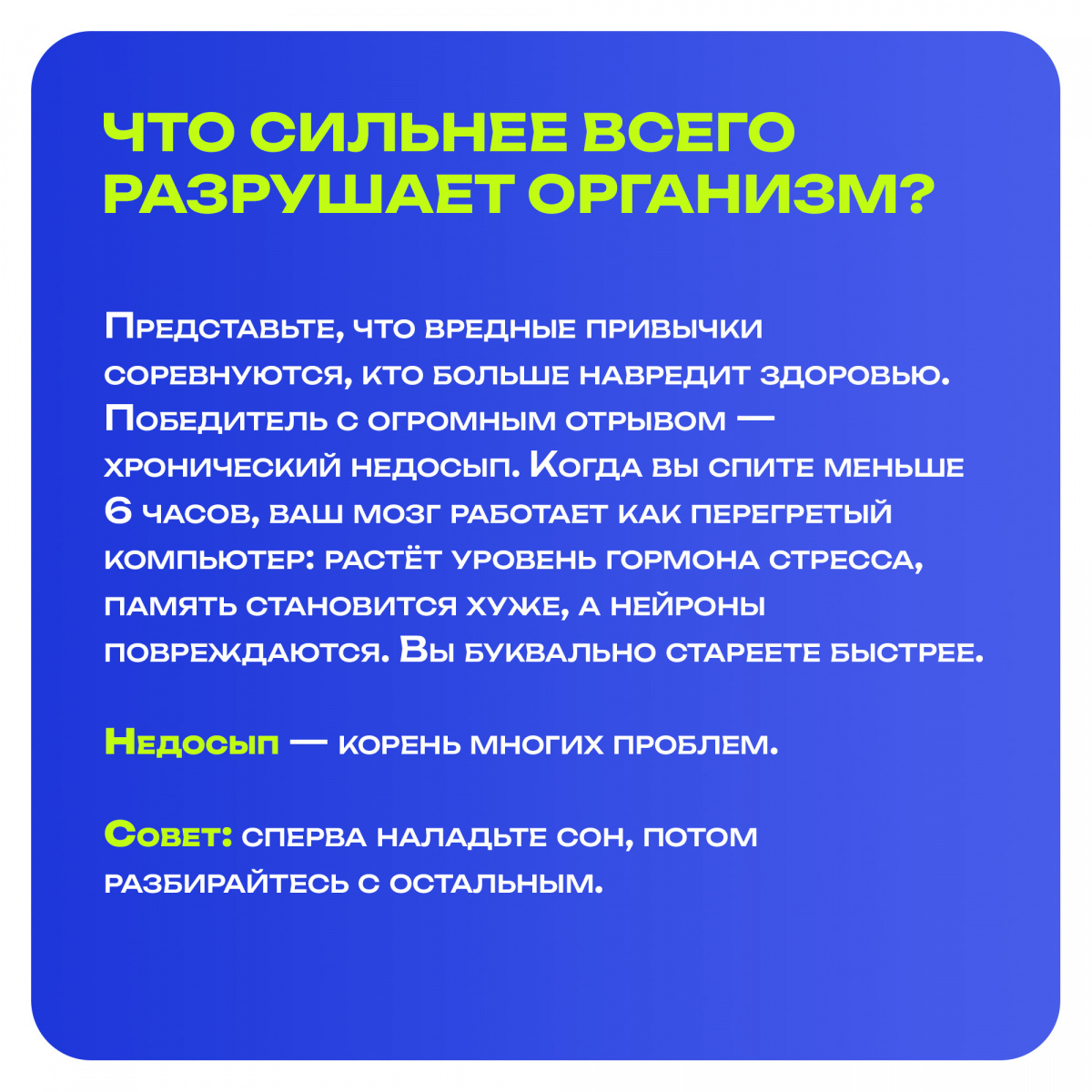
— What is the most destructive to the body?
Chronic sleep deprivation is one of the most damaging factors to health. Regularly sleeping less than six hours puts the brain into overdrive: stress hormone levels rise, memory deteriorates, and neurons are damaged. Taken together, this leads to accelerated aging. Sleep deprivation is the root cause of many functional disorders. Recommendation: normalize sleep first, and only then adjust other lifestyle factors.
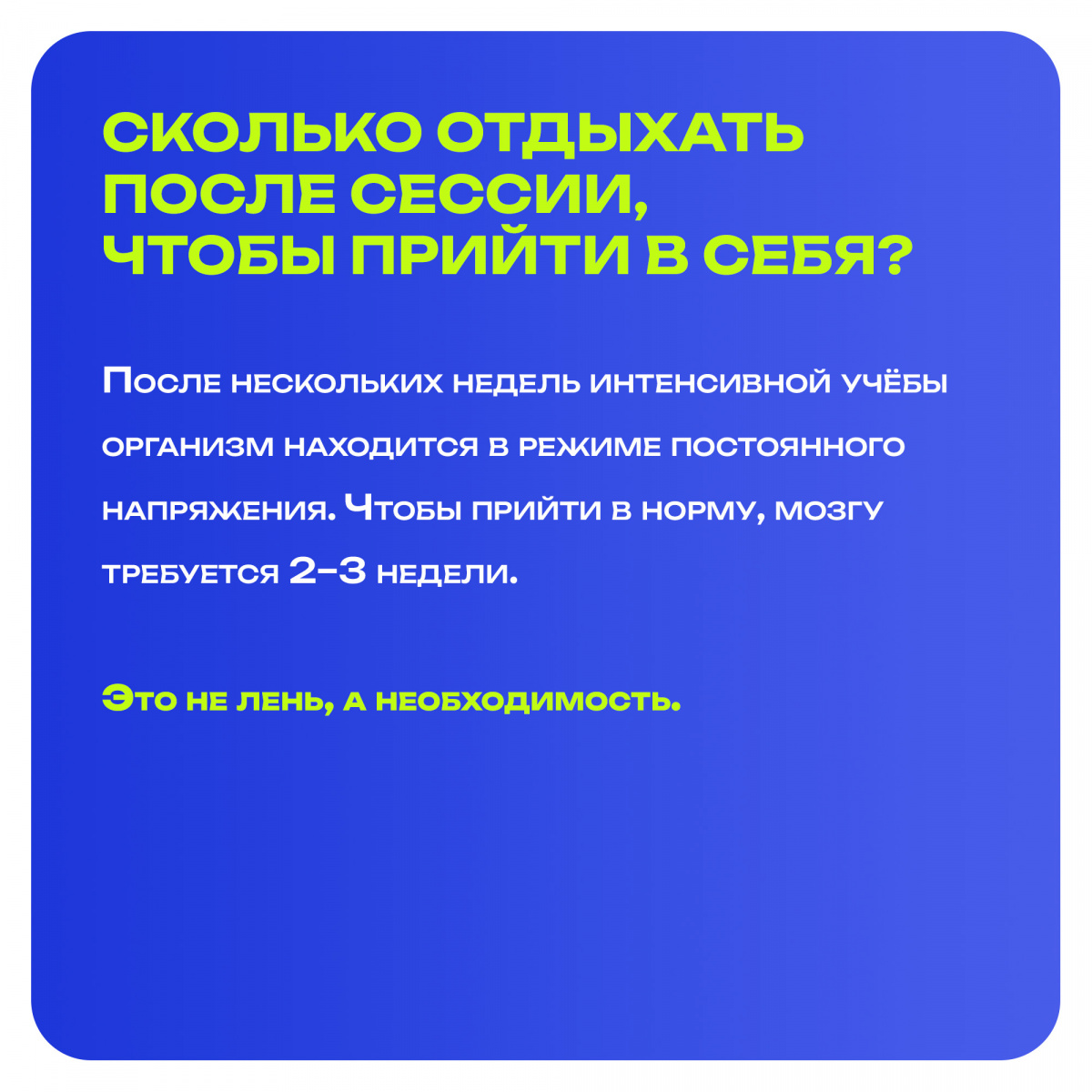
— How long does it take to recover after an exam session?
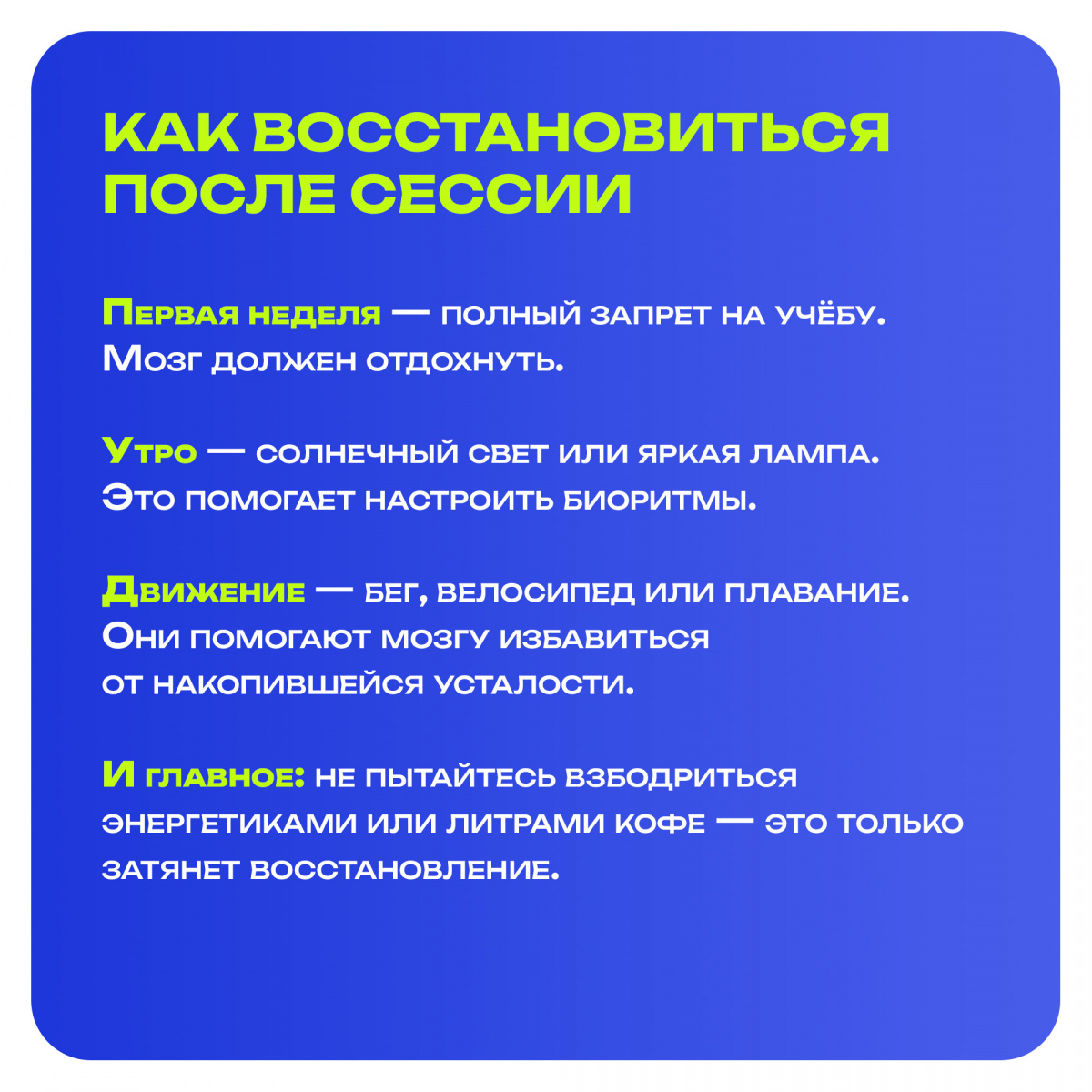
After 4-6 weeks of intense mental stress, the body needs 14-21 days to normalize cortisol levels and sleep quality. The first week should be spent without schoolwork. Bright morning light (sun or a 2500 lux lamp) and moderate aerobic exercise (running, swimming, cycling with a heart rate of 120-140 bpm) are recommended. Energy drinks and excessive coffee consumption slow recovery.
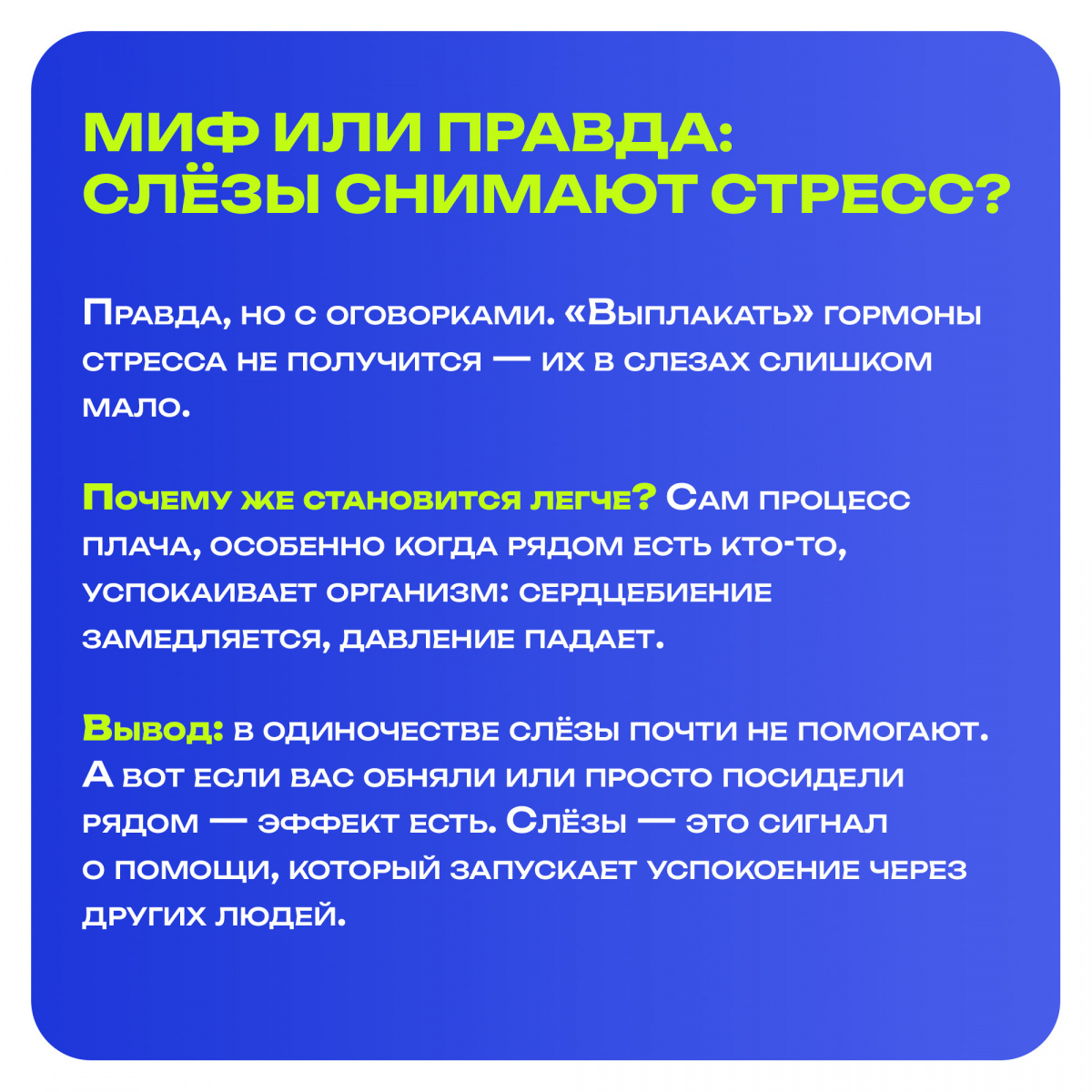
— Is it true that tears relieve stress?
Yes, but with some caveats. The concentration of stress hormones in tears is too low to significantly affect systemic levels. Relief occurs due to the activation of the vagus nerve and parasympathetic system during crying. Social context plays a key role: alone, the effect is almost negligible, but with the support of another person (hugs, close presence), calming occurs.
— How can I quickly reduce stress in 1–2 minutes before an exam or presentation?
Three physiologically based methods:
1. Breathing 4×8: inhale for 4 seconds, exhale for 8 seconds (4–5 cycles).
2. Immersing your face in cold water (10–15°C) for 30 seconds: activates the diving reflex, slowing your heart rate by 20–25%.
3. Fist-relaxation: clench your fist with force for 15 seconds, then quickly unclench and relax the muscles.
All methods work through different mechanisms and are laboratory confirmed.
— What is the most surprising fact about stress?
Acute stress occurring within 15 minutes of memorizing improves memory by 30–40% by enhancing long-term potentiation in the hippocampus. However, if stress occurs 30–60 minutes before recall, it blocks access to memory by suppressing the prefrontal cortex. Practical conclusion: anxiety immediately after cramming can be beneficial, but it should be avoided before answering a question.
"Listen to yourself. Your personal rhythm is the most correct one ," says Aminet Askerovna.
On April 17 at 2:45 PM, Aminet Pseunok will host a seminar, "Stress Physiology: Adaptation Mechanisms and Pathways to Restore the Body's Resources," in Room 225. Come learn how to understand your body and manage stress without harming your health.
Upcoming events

Contest for the University interior renovation design projects
We invite ASU students to take part in the contest of renovation design projects at the University. The faculty Foreign Languages and the faculty of Natural Sciences corridors are in the spotlight.
.jpg)