Russian
 English
Adyghe State University’s Museums Make Their Debut at the 'Night of Museums' Event
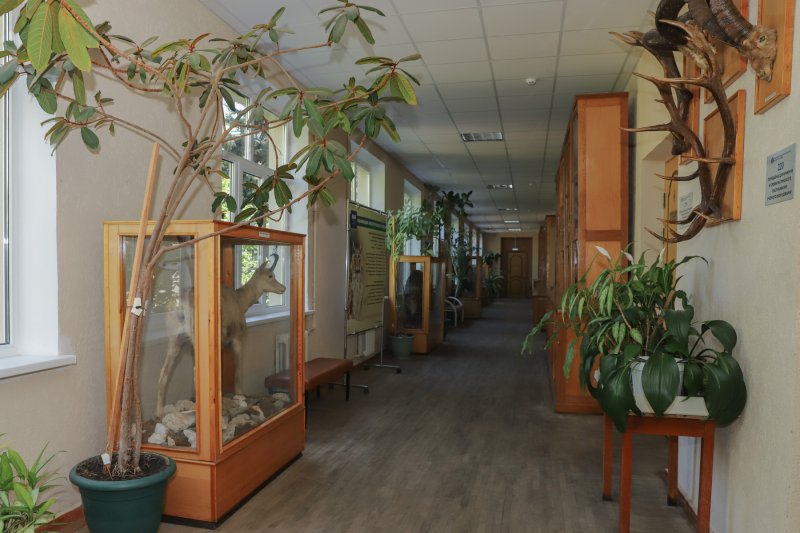
The All-Russian "Night of Museums" event will be held this year on May 16th, under the theme "Native," which aligns with Russia's Year of Peoples' Unity. On this special day, two museums at Adyghe State University—the I.G. Volkodav Geological and Mineralogical Museum and the ASU Zoological Museum—will welcome visitors eager to learn more about their native republic, the natural environment of the North Caucasus, and, more broadly, the history of Earth's development.
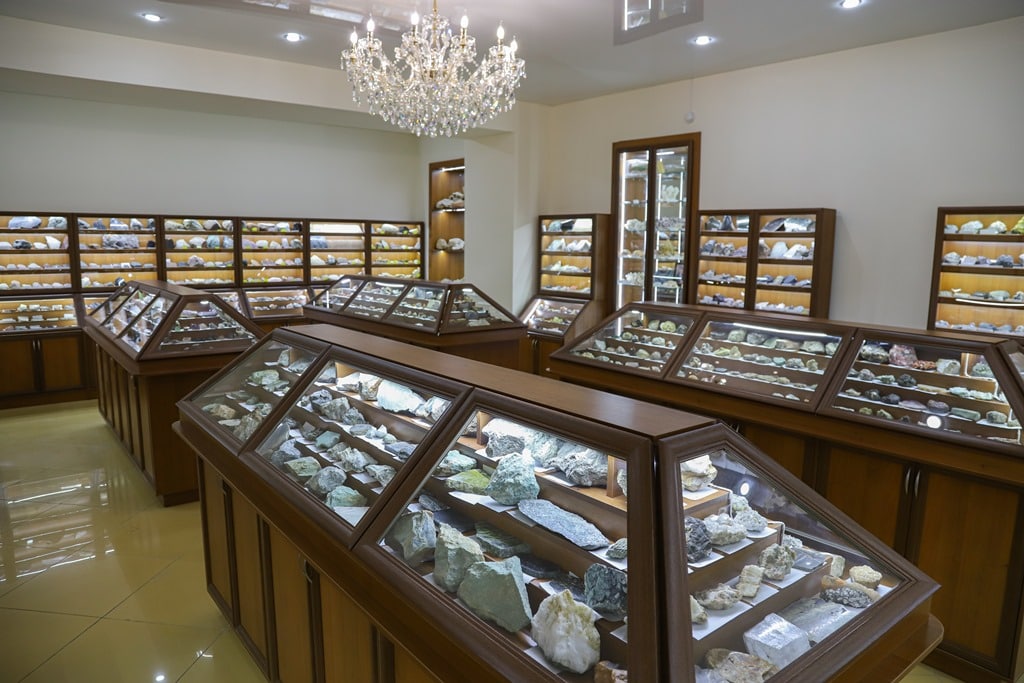
The I.G. Volkodav Geological and Mineralogical Museum will offer guided tours on Saturday from 11:00 a.m. to 3:00 p.m. Prior registration is required via the registration form available on the museum's website.
The museum houses an exceptional collection of minerals, with approximately 8,000 exhibits from across Russia. It boasts the most extensive mineral collection from Adygea, including a unique specimen named Adygeite, discovered within the republic. Exploring the collection provides insights into the Earth's evolutionary history.
The collection was initiated by Professor Igor Georgievich Volkodav in the 1950s, during his work as a geologist in Yakutia. It was further expanded in 1993 when he relocated to Adygea to teach. Some specimens were collected during field trips by his students, and others were donated by colleagues from Karelia, the Ural region, and the renowned Adygean traveler Maxim Bogatyrev.
A distinctive feature of the museum is its display cases, thoughtfully designed by curator Yanina Volkodav to allow visitors of all ages and heights to examine the exhibits comfortably. Many minerals are illuminated to highlight their features when held up to light. Additionally, visitors are encouraged to touch various rocks and specimens, providing a tactile experience that reveals their density, weight, texture, and temperature—making the exploration both educational and engaging.
The ASU Zoological Museum is open to visitors from 9:00 a.m. to 12:00 noon on Saturdays, upon request. Advance booking is required through the museum's website.
The museum's collection features approximately 5,800 animal species, including mollusks, insects, fish, amphibians, birds, and mammals. Visitors will gain fascinating insights into the animal kingdom. For instance, they will learn that crabs are abundant in Adygea, that black cats are not always entirely black, and that some animals, like hares, change color with the seasons. The tour also covers topics such as the ingenious design of eggs, methods for determining the age of deer antlers, distinguishing flounder from halibut, and exploring the incredible diversity of insects.
The collection was established in 1963 with the founding of the Department of Zoology within the Faculty of Natural Sciences. Initially, the collection focused on invertebrate and vertebrate zoology, primarily featuring species from the Caucasus region.
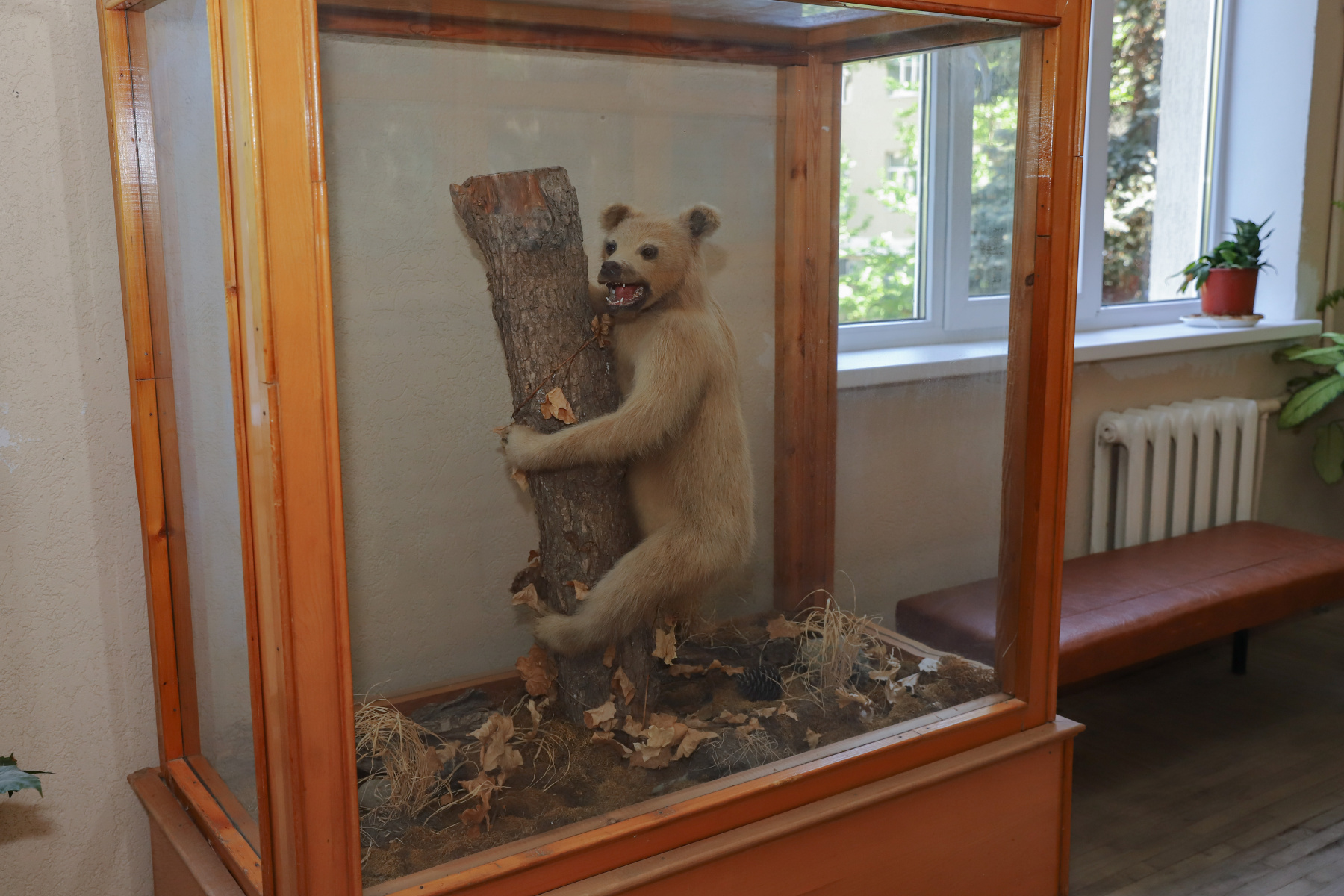
Today, faculty and laboratory assistants from the Department of Physiology oversee the museum's operations. The staff utilize the collection for educational purposes, creating new exhibits for students and schoolchildren. Students actively participate in collecting, studying, and preparing materials for the collection. The collection continues to grow through fieldwork, student efforts, and generous support from local and national residents. Notably, marine and oceanic fauna have been recently added to the collection.
Admission to all "Night of Museums" excursions is free.